
Starting a successful blog today requires proper strategy, consistency, and understanding of digital trends. This beginner blogging guide explains step-by-step how anyone can start, grow, and monetize a blog in 2026 even without technical experience or prior blogging knowledge.
This beginner blogging guide will walk you through every step needed to launch, grow, and monetize your blog successfully. Whether you want to blog as a hobby, personal brand, or business model, this guide will help you understand how blogging actually works in the real world.
Why Blogging Still Matters in 2026
Blogging has evolved but remains one of the strongest digital marketing and income sources. Companies, influencers, freelancers, and educators use blogs to reach audiences worldwide.
Major Benefits of Blogging
-
Builds personal and professional authority
-
Creates long-term passive income
-
Improves writing and communication skills
-
Generates business leads and career opportunities
-
Builds community and audience trust
Real World Example
A finance blogger who started writing about budgeting tips during college now earns through affiliate marketing, sponsored posts, and digital courses. Their blog receives thousands of monthly visitors simply from Google search traffic.
Step 1: Choose the Right Blog Topic (Niche Selection)
Selecting the right niche is the foundation of every successful blog. A niche is the main subject your blog will focus on.
Why Niche Matters
Search engines prefer topic-focused websites. Readers also trust blogs that consistently provide expertise in one subject.
How to Choose a Profitable Niche
✔ Pick a topic you enjoy discussing
✔ Choose subjects with audience demand
✔ Ensure monetization opportunities exist
✔ Check competition level
Popular Blog Niche Ideas for 2026
| Niche | Monetization Opportunity | Difficulty Level |
|---|---|---|
| Digital Marketing | Affiliate tools, courses | Medium |
| Personal Finance | Affiliate apps, sponsored content | Medium |
| Technology & AI | Software reviews, ads | High |
| Health & Fitness | Coaching, digital programs | Medium |
| Travel Blogging | Brand collaborations | High |
Real World Example
A travel blogger who focuses only on budget travel tips can attract a specific audience compared to someone writing random travel stories.
Step 2: Select the Best Blogging Platform
The blogging platform is the software used to publish content and manage your blog.
Top Blogging Platforms
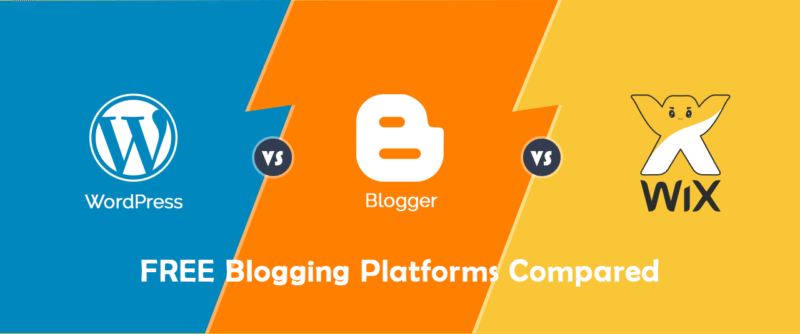
| Platform | Best For | Limitation |
|---|---|---|
| WordPress.org | Full control & monetization | Requires hosting |
| Wix | Beginner-friendly | Limited customization |
| Blogger | Free blogging | Limited professional features |
Recommended Choice
WordPress.org is widely considered the best option because it offers flexibility, scalability, and complete ownership.
Step 3: Choose a Domain Name and Hosting
Your domain name represents your brand identity. Hosting is the service that stores your blog files and makes your site accessible online.
Rules for Choosing a Domain Name
-
Keep it short and memorable
-
Avoid complex spelling
-
Use brand-friendly words
-
Prefer “.com” extension
Domain Examples
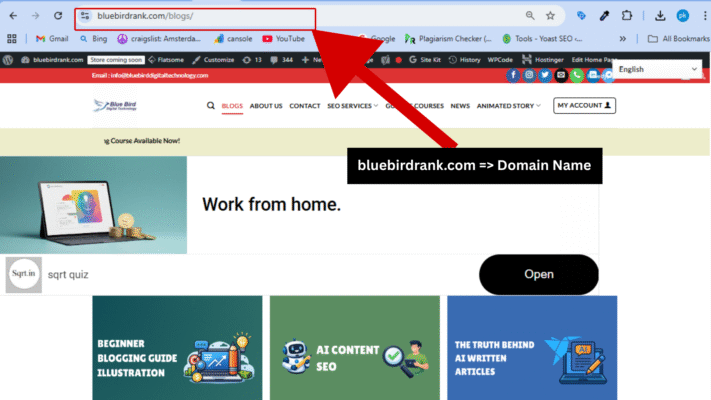
✔ SmartMoneyTips.com
✔ TechGrowthLab.com
✔ HealthyLivingHub.com
Hosting Importance
Reliable hosting improves:
-
Website speed
-
Security
-
SEO ranking
-
User experience
Step 4: Install and Setup WordPress
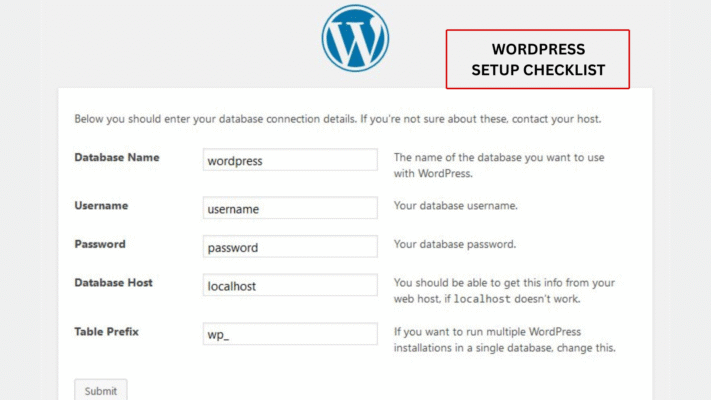
After buying hosting, install WordPress through the hosting dashboard. Most hosting providers offer one-click installation.
Basic WordPress Setup Checklist
-
Configure site title and tagline
-
Install essential plugins
-
Set permalink structure
-
Create necessary pages
Step 5: Design Your Blog for Better User Experience
Your blog design influences reader engagement and SEO performance.
Elements of a Professional Blog Design
✔ Mobile-friendly layout
✔ Fast loading speed
✔ Easy navigation
✔ Clean typography
✔ Consistent color branding
Real World Example
A fashion blog with clean visuals and simple navigation attracts more readers compared to cluttered websites.
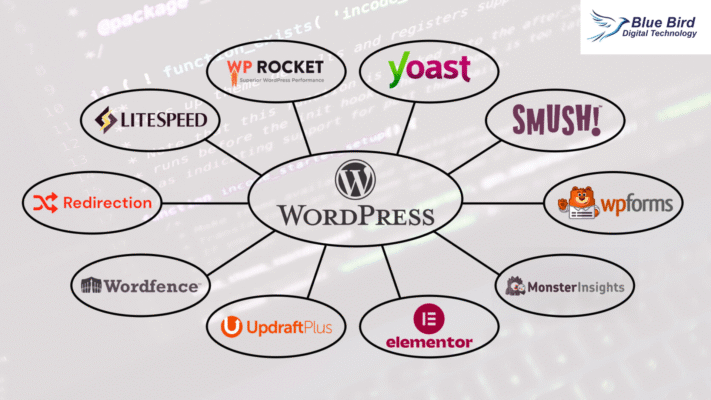
Step 6: Install Essential WordPress Plugins
Plugins add functionality and improve performance.
Must-Have Plugins for Every Beginner Blogging Guide
-
SEO Plugin (RankMath or Yoast SEO)
-
Cache Plugin (WP Rocket or LiteSpeed Cache)
-
Security Plugin (Wordfence or Sucuri)
-
Image Optimization Plugin (ShortPixel or Smush)
-
Backup Plugin (UpdraftPlus)
Step 7: Plan Content Strategy Before Writing
Random blogging rarely succeeds. Content planning helps maintain consistency.
Content Planning Strategy
-
Create keyword-based article ideas
-
Build content clusters around one topic
-
Maintain posting schedule
-
Track performance analytics
Example Content Plan Table
| Week | Topic | Article Type |
|---|---|---|
| Week 1 | Beginner blogging guide | Tutorial |
| Week 2 | SEO basics | Educational |
| Week 3 | Traffic strategies | Case Study |
| Week 4 | Monetization methods | Informational |
Step 8: Write High Quality Blog Content
Content is the core of blogging success.
Content Writing Best Practices
✔ Write in simple language
✔ Solve reader problems
✔ Add real-life examples
✔ Include images and videos
✔ Write long-form detailed articles
Content Length Recommendation
-
Informational blogs: 1500+ words
-
Tutorial blogs: 2000+ words
-
Review blogs: 1200+ words
Step 9: Create Important Blog Pages
Professional blogs include essential legal and informational pages.
Important Pages Checklist
-
About Page
-
Contact Page
-
Privacy Policy
-
Disclaimer
-
Terms & Conditions
-
Disclosure Page
Step 10: Drive Traffic to Your Blog
Traffic generation determines blog growth and income potential.
Top Traffic Sources
1. Search Engine Traffic
-
Keyword research
-
On-page SEO
-
Backlink building
2. Social Media Promotion
-
Pinterest
-
LinkedIn
-
Instagram
-
Twitter
3. Community Platforms
-
Reddit discussions
-
Quora answers
-
Blogging forums
Step 11: Monetize Your Blog
Once your blog starts receiving traffic, you can generate revenue through multiple methods.
Popular Blog Monetization Methods
| Method | Income Potential | Difficulty |
|---|---|---|
| Google AdSense | Passive income | Easy |
| Affiliate Marketing | High earnings | Medium |
| Sponsored Posts | Brand partnerships | Medium |
| Digital Products | Highest profit | Advanced |
| Online Courses | Long-term revenue | Advanced |
Real World Example
A tech blogger reviewing gadgets earns commissions from affiliate product links whenever readers purchase through recommendations.
Step 12: Grow Authority and Build Audience Trust
Authority building ensures long-term blogging success.
Authority Growth Techniques
✔ Publish research-based content
✔ Share personal experiences
✔ Update old articles regularly
✔ Engage with readers through comments
✔ Build email subscriber list
Common Beginner Blogging Mistakes
-
Choosing too many topics
-
Publishing inconsistent content
-
Ignoring SEO fundamentals
-
Using slow or poor hosting
-
Copying content from other websites
Advanced Blogging Success Tips
-
Focus on content quality instead of quantity
-
Build topic clusters instead of random articles
-
Use data analytics to improve strategy
-
Learn SEO continuously
-
Build networking with other bloggers
Final Thoughts
Blogging in 2026 is a powerful opportunity for anyone willing to stay consistent and patient. This beginner blogging guide shows that success does not depend on experience but on dedication, learning, and content value.
If you follow the right niche strategy, maintain content quality, and focus on audience trust, blogging can become a strong career and passive income source.
Frequently Asked Questions (FAQs)
1. How long does it take to start earning from blogging?
Most blogs take 6–12 months to generate consistent income, depending on content quality, SEO strategy, and niche competition.
2. How many blog posts should beginners publish?
Publishing 2–4 high-quality articles per month is ideal for beginners focusing on long-term growth.
3. Is blogging still profitable in 2026?
Yes, blogging remains profitable when combined with SEO, affiliate marketing, and digital product strategies.
4. Can beginners start blogging without technical knowledge?
Yes, modern blogging platforms like WordPress make it easy for beginners to create and manage blogs without coding skills.
5. Which niche is best for new bloggers?
Digital marketing, finance, technology, health, and education niches offer strong growth and monetization opportunities.
Read More: AI Content SEO Strategy: What Google Says & How To Rank Smarter

This is a very helpful and beginner-friendly guide. I like how each step is explained clearly, especially niche selection and content planning. Great resource for new bloggers!
Really informative article! The real-world examples and structured steps make blogging look much easier to understand. This guide will definitely help beginners avoid common mistakes.
Excellent breakdown of blogging strategies for 2025. The monetization and traffic tips are especially useful. Looking forward to more detailed blogging tutorials like this!