
Why Even a Good Android Phone Becomes Slow Over Time
If you are frustrated because your Android device no longer feels as fast as it once did, you are not alone. Millions of users search every month for ways to speed up an Android phone because performance degradation is a common and natural problem. Even flagship smartphones can slow down after months or years of usage, while mid-range and budget Android phones may experience lag much earlier.
A slow Android phone is not caused by a single issue. Instead, it is usually the result of multiple factors working together—excessive background apps, overloaded storage, inefficient system settings, aging batteries, poorly optimized applications, and hidden software conflicts. The good news is that most of these issues are fixable without buying a new phone.
This professional, client-grade guide explains exactly what is happening inside your Android phone and how you can fix it. Every tip is explained in long, detailed paragraphs so readers fully understand the logic behind each optimization. You will also find tables, bullet points, and image-placement suggestions to maximize readability and SEO value. This article is written to match premium tech blogs and authority Android websites, not generic how-to content.
How Android Performance Actually Works (Important to Understand Before Fixing Lag)
Before attempting to fix a slow Android phone, it is essential to understand how Android manages performance. Android relies on a combination of CPU power, RAM availability, internal storage speed, battery health, and software optimization. When any one of these components becomes overloaded or restricted, the entire system feels slow.
For example, when RAM is constantly filled with background apps, Android aggressively closes and reopens applications, creating lag. When storage is nearly full, Android cannot create temporary cache files efficiently, leading to freezing and delayed responses. Similarly, when a battery degrades, Android automatically limits CPU speed to prevent unexpected shutdowns, which directly reduces performance.
Understanding this internal behavior allows you to apply optimizations strategically, not randomly. The 15 proven tips below are structured to address every major performance bottleneck step by step.
15 Proven Tips to Speed Up a Slow Android Phone (Expert-Level Explanation)
1. Restart Your Android Phone the Right Way
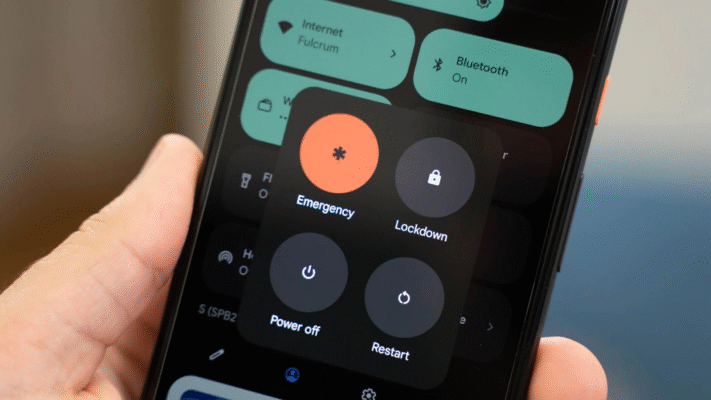
Restarting your Android phone is one of the simplest yet most underestimated ways to improve performance. Over time, background services, temporary processes, and memory leaks accumulate in RAM. A restart clears these processes completely and allows the system to reload only essential services.
Many users keep their phones running for weeks without restarting, which causes unnecessary memory pressure. Restarting your device once every few days helps reset system resources and can immediately make your Android phone feel faster, smoother, and more responsive.
Why this works:
- Clears temporary RAM usage
- Stops hidden background services
- Refreshes system cache
2. Uninstall Apps You No Longer Use
Unused apps are one of the biggest reasons an Android phone becomes slow. Even if you are not actively using an app, many applications continue to run background services, sync data, send notifications, and consume system resources.
When too many apps compete for RAM and CPU cycles, Android performance drops significantly. Removing unnecessary apps instantly frees up RAM, reduces background activity, and improves battery efficiency.
Apps you should remove first:
- Pre-installed trial apps
- Games you no longer play
- Duplicate utility apps
- Old social media or shopping apps
3. Clear App Cache and System Cache Regularly
Cache files are designed to speed up app loading, but over time they become bloated or corrupted. When cache grows excessively, it can have the opposite effect and slow down your Android phone instead of speeding it up.
Clearing app cache forces applications to rebuild fresh temporary files, improving responsiveness and reducing glitches. This process does not delete personal data such as photos, messages, or logins.
Benefits of clearing cache:
- Faster app launch time
- Reduced app crashes
- Better storage management
4. Limit Background App Activity
Android allows apps to run background processes for syncing, updates, and notifications. While this is useful, excessive background activity can severely impact performance, especially on devices with limited RAM.
By restricting background activity for non-essential apps, you ensure that critical system functions receive priority access to resources. This results in smoother multitasking and reduced lag.
How to optimize background activity:
- Restrict background usage for heavy apps
- Disable unnecessary auto-sync
- Review battery usage per app
5. Disable or Remove Bloatware
Bloatware refers to pre-installed apps added by manufacturers or carriers. These apps often cannot be fully uninstalled, but they can usually be disabled. Bloatware consumes RAM, storage, and sometimes runs background services without providing real value.
Disabling bloatware can significantly speed up an Android phone by reducing system load and freeing up memory.
| Bloatware Type | Impact on Performance | Action |
|---|---|---|
| Carrier apps | High | Disable |
| Manufacturer apps | Medium | Disable |
| Trial apps | High | Uninstall |
6. Keep Android OS and Apps Updated
System updates are not just about new features; they also include performance improvements, bug fixes, and security enhancements. Running outdated software can lead to compatibility issues and inefficient resource usage.
Updating your Android OS and apps ensures better memory management, smoother animations, and improved system stability.
7. Use Lite or Optimized Versions of Apps
Heavy apps are designed for high-end hardware. On older or budget phones, they can cause frequent lag. Lite versions consume less RAM, storage, and background resources while delivering essential functionality.
Examples include:
- Facebook Lite
- Messenger Lite
- YouTube Lite
- Google Go
8. Reduce Animations Using Developer Options
Animations make Android visually appealing, but they also consume processing power. Reducing or disabling animations makes the interface feel instantly faster, even though the actual processing speed remains the same.
Lowering animation scale is one of the most effective perceived performance tweaks.
9. Free Up Internal Storage Space
Android devices require free storage space to function efficiently. When storage drops below 15–20%, performance degradation becomes noticeable.
What to remove first:
- Large videos
- Duplicate photos
- Offline downloads
- Unused documents
| Storage Level | Performance Impact |
| Above 30% free | Optimal |
| 15–30% free | Moderate lag |
| Below 10% free | Severe lag |
10. Switch to a Lightweight Launcher
Stock launchers provided by manufacturers often include heavy animations, news feeds, and background services. Lightweight launchers reduce system load and improve home screen responsiveness.
Popular options include Nova Launcher and Smart Launcher.
11. Remove Live Wallpapers and Excess Widgets
Live wallpapers continuously use CPU and GPU resources. Similarly, widgets refresh data in the background, consuming RAM and battery.
Switching to a static wallpaper and reducing widgets improves both speed and battery life.
12. Scan for Malware and Adware
Malware and adware are silent performance killers. They run hidden processes, display ads, and consume system resources continuously.
Regular scans using trusted security apps help maintain optimal performance.
13. Factory Reset as a Performance Reset Button
A factory reset removes accumulated software clutter and restores the device to its original state. This is the most effective way to speed up a slow Android phone when all other methods fail.
Always back up your data before performing a reset.
14. Replace an Old or Degraded Battery
Battery health directly affects Android performance. When a battery degrades, Android throttles CPU speed to prevent shutdowns.
Replacing the battery can dramatically restore lost performance, especially on older devices.
15. Advanced Optimization: Custom ROMs and Hardware Upgrade
For advanced users, installing a lightweight custom ROM can significantly improve performance by removing bloatware and optimizing system resources. This option is recommended only for experienced users.
Conclusion: You Do Not Need a New Phone to Fix Performance Issues
A slow Android phone does not mean your device is useless. With proper understanding, strategic optimization, and consistent maintenance, you can restore speed, responsiveness, and usability.
This guide was designed to provide real value, not surface-level tips. By following these expert-proven methods, users can confidently speed up an Android phone and extend its lifespan by years.
Read More: What Are Android Spy Apps and How to Protect Yourself (Complete Guide)
